Door Handle Types: What’s What

Different doors do different things and your handles should match. Here's a quick guide to help you choose the right setup based on function, not guesswork.
Dummy Handle

Dummy Set

No latch. No lock. Just the look.

Dummy door handles are all about form — not function. They’re fixed in place and perfect for doors that don’t need to open or close with a turn. Think linen cupboards, wardrobes or the second door in a double-door setup that just gets pulled or pushed.

Passage Set

Turns, clicks, opens — but doesn’t lock.

Passage sets are made for doors that close but don’t need privacy. Inside, you’ll find a latch mechanism to keep the door shut, but no locking parts.
Best for: hallways, living rooms, laundries, kitchens, and anywhere privacy isn’t a priority.

Passage Set Handle
Privacy Set – Button Style Handle

Privacy Set – Button Style

This one keeps it neat and simple. The button is built right into the handle rose — push to lock, and unlock with a pin from the outside if needed. Great for a minimal look with no extra parts.

Best for: bedrooms, studies, kid’s rooms, anywhere you want a clean look and easy privacy.

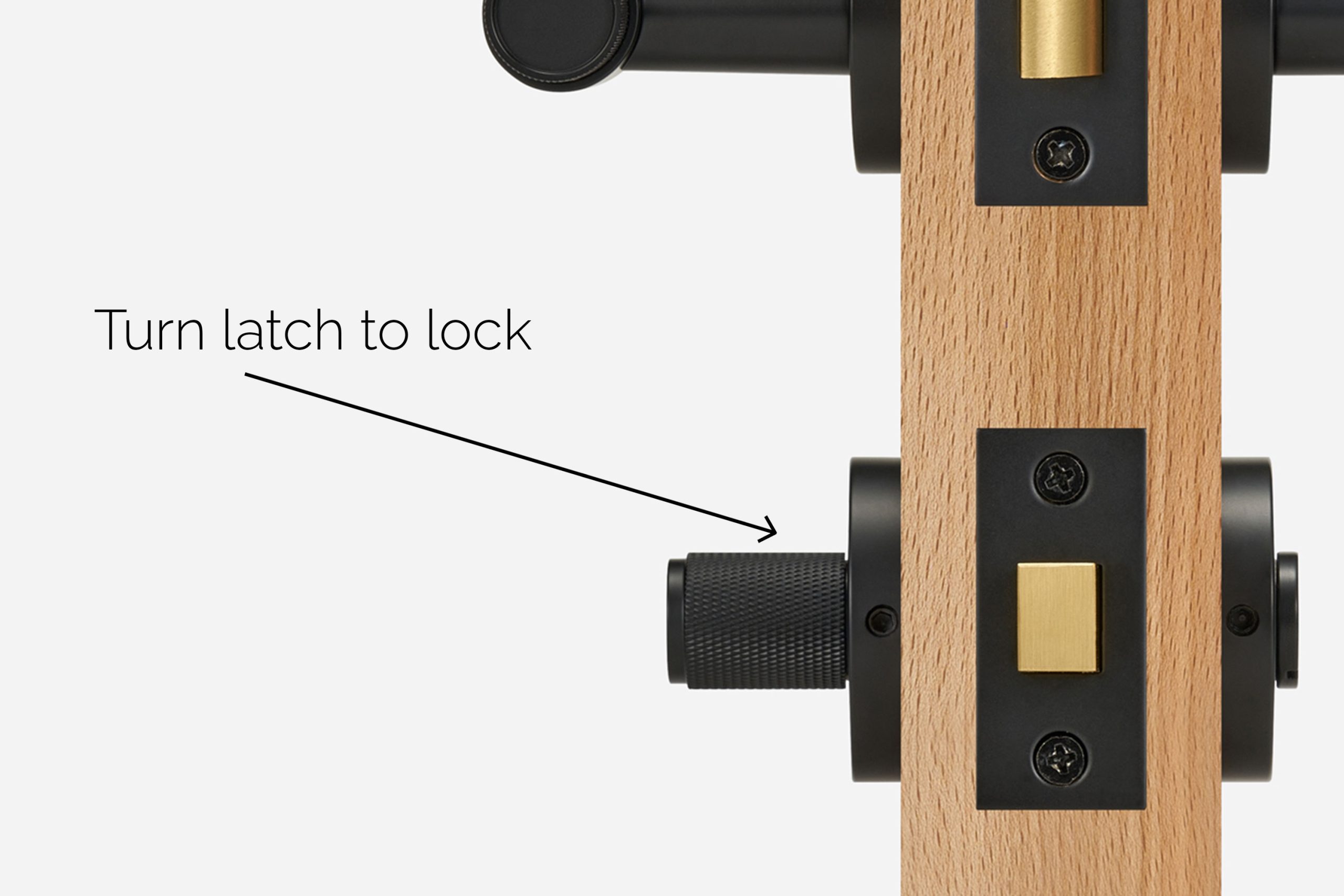
Turn Latch Privacy Set

A separate thumb turn lets you lock the door from the inside, and there’s an emergency release on the other side (just in case).

It’s a classic choice for bathrooms or any space where a bit of privacy is appreciated but safety matters too.

Best for: bathrooms, powder rooms, guest rooms.

Turn Latch Privacy Set​ Handle
Key Lock Entry Set​ Handle

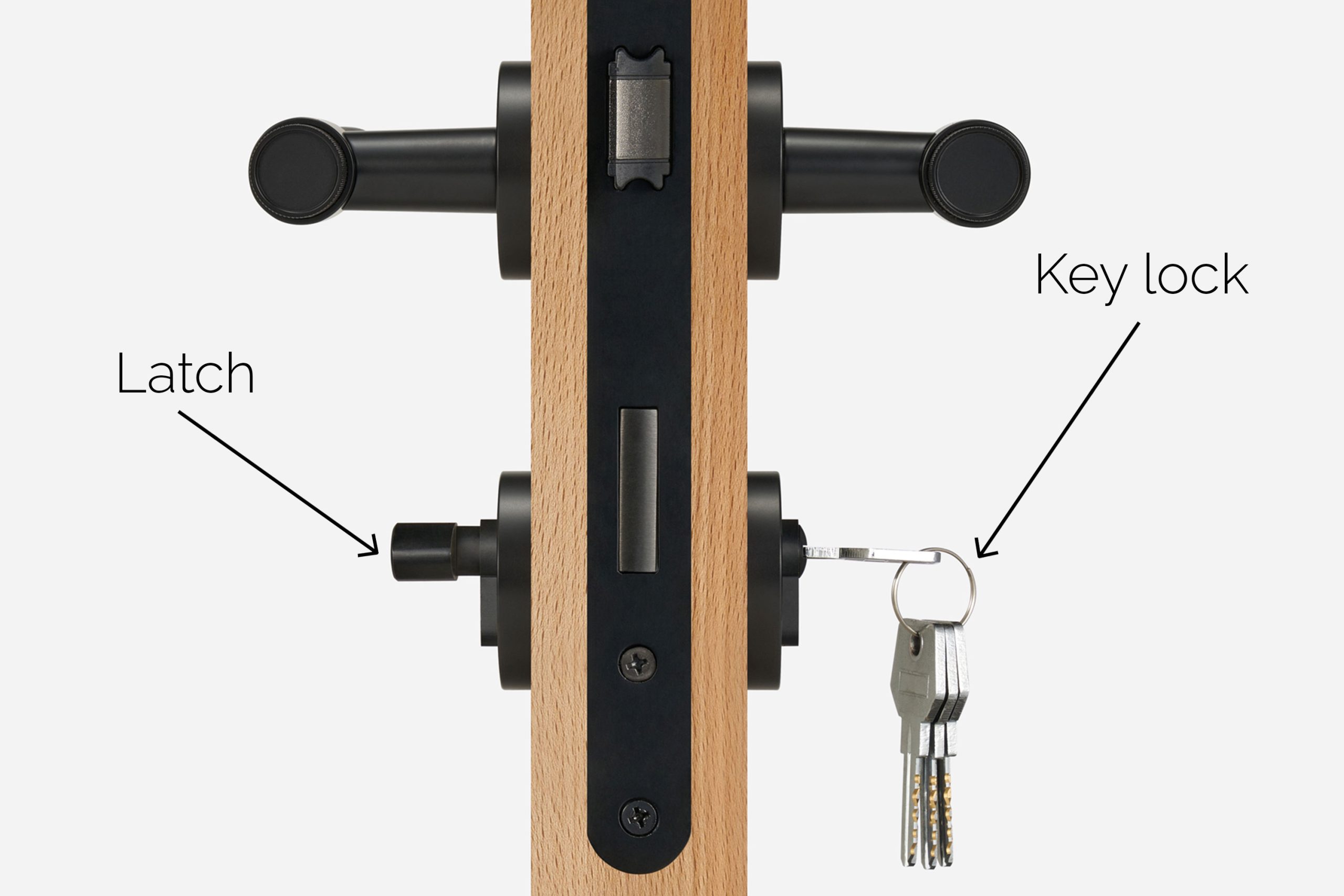
Key Lock Entry Set

A little more serious, this one's built for security.

Entry sets are designed for front doors or internal doors that need to lock. They’re paired with a heavier-duty mortice lock and give you the peace of mind you want at main entry points.

Best for: front doors, side doors, garage entries, or anywhere you need to lock up tight.